AFCON 2027 safari: which parks fit around each host city
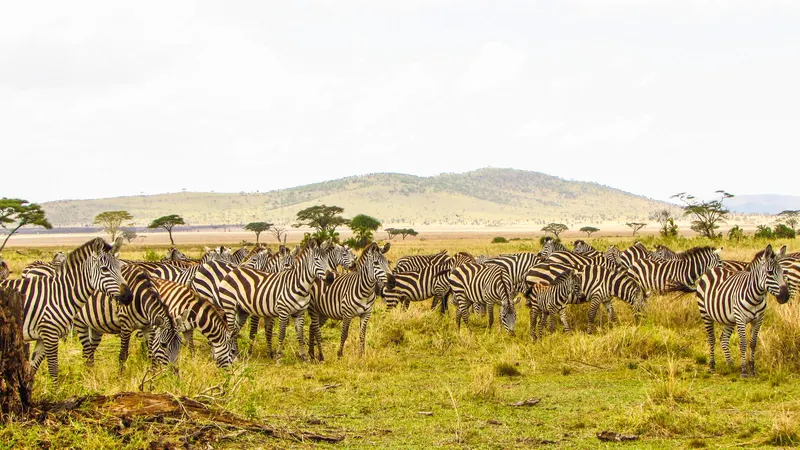
AFCON 2027 safari plans are a real draw of this tournament. The three hosts are home to the Masai Mara, the Serengeti, Ngorongoro, Murchison Falls and Uganda's mountain gorillas, and June and July fall in the dry season, the best time for game viewing. The tournament runs from 19 June to 17 July 2027, which also overlaps with the Great Migration moving north towards the Mara.
This guide covers which parks fit around which host city, how long each takes, what it costs, and how to fit a safari in without missing a match.
How an AFCON 2027 safari fits the schedule
The simple rule: put the safari before the group stage, between rounds when you know your next match, or after your team goes out. Do not plan one the day before a match. Park roads are slow, small planes can be delayed by weather, and the drive back from the bigger parks takes most of a day.
From Nairobi
Nairobi National Park sits on the edge of the city, minutes from the centre, with lions, rhinos and giraffes against a skyline of tower blocks. A morning game drive fits easily around an evening match, which makes it the simplest AFCON 2027 safari of all.
The Masai Mara is the famous one: about five to six hours by road, or under an hour by light aircraft from Wilson Airport. In July, the herds of the Great Migration usually start crossing the Mara River from the Serengeti, one of the great wildlife spectacles. It is also peak season, so lodges are expensive and fill early. Since 2024, Business Daily reported, the reserve has charged non-residents about $200 a person in peak season, on top of the lodge.
Allow at least two nights in the Mara, and three hours between landing at Jomo Kenyatta International and a light-aircraft flight from Wilson. Wilson also limits bags to 15 kg, in soft bags only.
From Arusha
Arusha is the gateway to Tanzania's northern circuit, and the easiest host city for an AFCON 2027 safari.
- Tarangire, about two hours away, is known for its elephants and baobabs, and makes a good one- or two-day trip.
- Ngorongoro Crater, about three to four hours, is a vast volcanic crater with a high density of wildlife. A day in the crater is enough.
- The Serengeti needs at least three nights. In June the herds usually gather in the western corridor near the Grumeti River, and in July they move north towards the Mara.
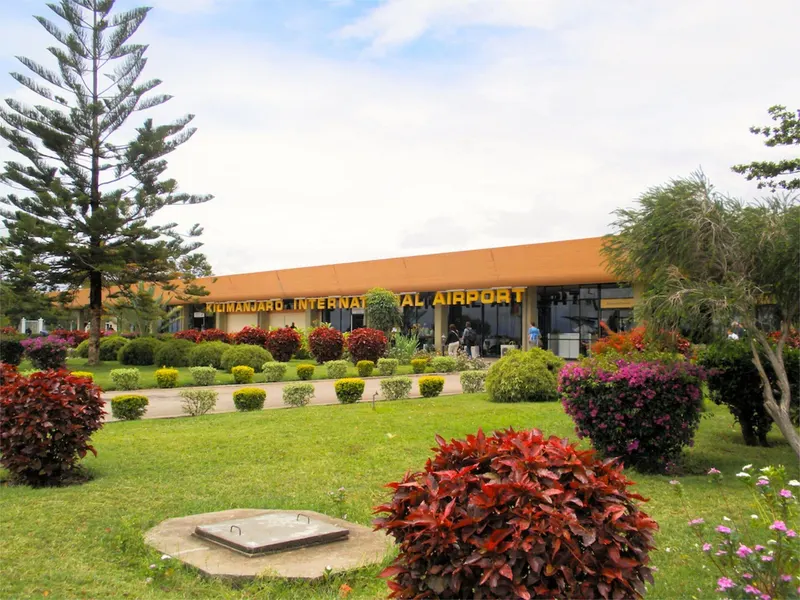
Kilimanjaro International (JRO) and Arusha Airport (ARK) both serve the parks by light aircraft, which saves long drives.
From Kampala and Hoima
Murchison Falls National Park, where the Nile forces its way through a narrow gorge, is the natural trip from Hoima, about two to three hours by road. Boat trips on the Nile below the falls show hippos, crocodiles and elephants. If your team plays in Hoima, this is the AFCON 2027 safari to plan around.
Gorilla trekking in Bwindi or Mgahinga, in the far south-west, is a bucket-list trip, but it is a long way from the venues: a full day's drive or a domestic flight. Permits are limited and sell out months ahead. For 2024–26, Uganda charged non-residents $800 a person for a gorilla trek, so check the current rate with the Uganda Wildlife Authority before you budget.
From Dar es Salaam and Zanzibar
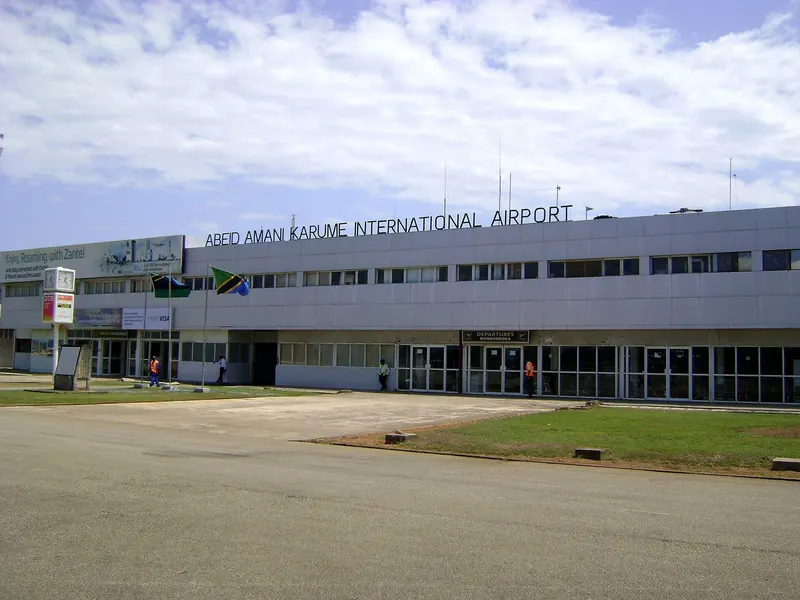
The coast is not classic safari country, but there are options. Nyerere National Park, the former Selous, is reached by light aircraft from Dar es Salaam in about an hour. Mikumi is about four to five hours by road. From Zanzibar, many visitors fly to the Serengeti or Nyerere for two or three nights, then return to the beach.
On Zanzibar itself, Jozani Forest is home to the rare red colobus monkey, an easy half-day from Stone Town.
A sample AFCON 2027 safari week
Say your team plays two group matches in Arusha, four days apart. Arrive two days before the first match and spend one morning in Arusha National Park, close to town. After the first match, take a two-day trip to Tarangire and Ngorongoro, back in Arusha the evening before the second match. If your team goes through and the next match is elsewhere, fly on. If they go out, this is the moment for the Serengeti.
What an AFCON 2027 safari costs
Prices vary hugely, from shared camping trips to luxury lodges. Budget for:
- Park fees, charged per person per day, often in US dollars. They are the fixed cost you cannot avoid.
- The lodge or camp, usually full board in the parks. Peak season in July is the most expensive time of year.
- Transport: a vehicle and guide by road, or light-aircraft seats.
- Tips for guides and drivers, about $30–50 a day for the group.
The cheapest way to see the big parks is a shared group tour from Nairobi or Arusha. The most flexible way, for a match schedule, is a private tour that can move a day either way.
How to book safely
Book your AFCON 2027 safari through a lodge directly, a well-reviewed operator with a long track record, or a large booking platform with clear cancellation terms. Do not pay deposits by bank transfer to someone you met online or by mobile money to a stranger. Check reviews from the last six months, not just the star rating. A licensed operator can show its registration with the national tourism authority.
Health and safety on safari
Take antimalarials in the parks, where the risk is higher than in Nairobi or Arusha town. Use repellent at dusk, wear long sleeves in the evening and carry a torch in camps. Follow your guide's instructions, stay in the vehicle unless told otherwise and never approach animals on foot. Dress in neutral colours, but do not wear camouflage, which is regulated in all three host countries.
What we do not know yet
CAF has not confirmed the venues or the match schedule, and the qualifiers run until March 2027. Park fees can also change before then. We will update this guide when the schedule is out. Until then, book what you can change, because tournament plans move. Our AFCON 2027 hub tracks every date as it is confirmed.
For the rest of your trip, see our Zanzibar and Arusha guide and our Nairobi guide.
Quick answers
- Which host city is best for a safari? Arusha, then Nairobi. Both have parks close to town.
- Will I see the Great Migration? Possibly. In June and July the herds move from the western Serengeti north towards the Mara.
- Can I see gorillas during AFCON? Yes, in south-west Uganda, but it is far from the venues and permits sell out early.
- How many days do I need? One for Nairobi National Park, two for Tarangire or the Mara, three or more for the Serengeti.