AFCON 2027 safety: the laws, risks and manners that matter in each host

AFCON 2027 safety comes down to a few habits and a handful of laws that differ from home. Kenya, Uganda and Tanzania welcome millions of visitors a year, and most trips go without trouble. But each host has rules that can land a visitor in court, from camouflage clothing to plastic bags, and each has its own street-crime pattern. The tournament runs from 19 June to 17 July 2027.
This guide sets out the rules that matter in each country, the common risks, the unwritten rules of courtesy, and the health basics. It draws on the UK government's travel advice for each host, checked in November 2026.
AFCON 2027 safety: rules for all three hosts
Some rules apply wherever you go:
- Do not wear camouflage or military-style clothing. It is illegal in Uganda and regulated in Kenya and Tanzania. Leave camouflage fan gear at home.
- Do not photograph soldiers, police, airports, government buildings or embassies.
- Carry ID. A copy of your passport photo page is usually accepted, but police can ask for the original.
- Same-sex relationships are illegal in all three, and public displays of affection can lead to arrest. Uganda's law is the harshest.
- Drug laws are strict, with long prison terms for possession.
- Plastic bags are banned in Kenya and Tanzania, and taken from you on arrival.
- Avoid protests and political rallies, which can turn violent.
Kenya
- Smoking in public is illegal outside designated areas, with a fine of up to KSh 50,000 or six months in prison.
- Police fines on the spot are not legal. Ask for the paperwork.
- Wildlife products cannot be bought or sold without a licence.
- Drones need approval from the Kenya Civil Aviation Authority in advance.
In Nairobi, the UK government's travel advice names the CBD, Eastleigh, Mathare, Kibera and other informal settlements as higher-risk areas. Bag-snatching happens at bus and train stations and at airports, and criminals pose as police or security guards, so ask for ID. Use Bolt, Uber or your hotel's car, and avoid driving at night: for AFCON 2027 safety in Nairobi, the ride home after a match matters most.
Uganda: the strictest rules
- Camouflage, military-style clothing and red berets are illegal, with a maximum penalty of life imprisonment.
- Red and yellow are political-party colours. Uganda's own team plays in black, yellow and red, so wear your shirt, but stay away from rallies.
- E-cigarettes and shisha are illegal.
- Giving money, food or clothes to street children in Kampala is illegal.
- The Anti-Homosexuality Act 2023 sets long prison terms, and the death penalty in some cases.
- Cleaning day: on the last Saturday of each month, movement is restricted from 07:00 to 10:00. Tourists are exempt, but taxis are affected. Saturday 26 June 2027 falls in the group stage.
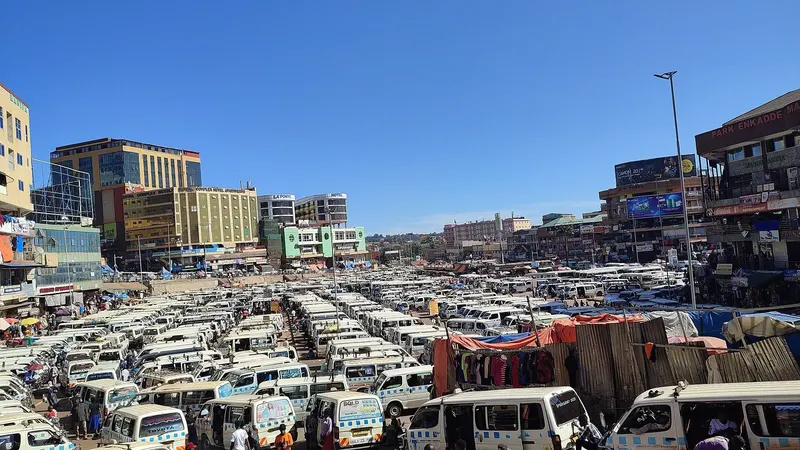
Foreigners riding boda-bodas, the motorbike taxis, have been mugged, sometimes violently, and drinks have been spiked in bars and on public transport. Use cash machines indoors, do not walk after dark, and keep car windows up in slow traffic.
Tanzania and Zanzibar
- Zanzibar fines people at least $700 for clothing judged inappropriate in public. Cover your shoulders and knees in town, especially in Stone Town.
- Filming protests or violence is illegal, and security services have checked visitors' phones.
- Police fines must come with a government control number. Paying cash on the spot is not the legal process.
- Animal-skin souvenirs are banned, and shells or horns need an export permit.
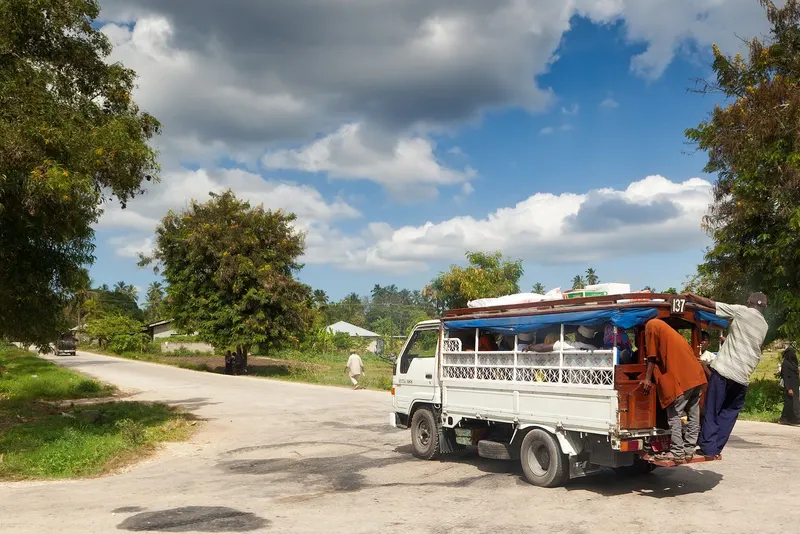
In Dar es Salaam, visitors have been victims of express kidnappings, forced to withdraw cash at machines after taking an unlicensed taxi or accepting a lift from a new friend. Check the driver's ID, and never get into a car with someone who offers to "find you a taxi". Masaki, Oyster Bay, Coco Beach and Toure Drive see street crime against tourists, so take a car after dark.
Getting around safely
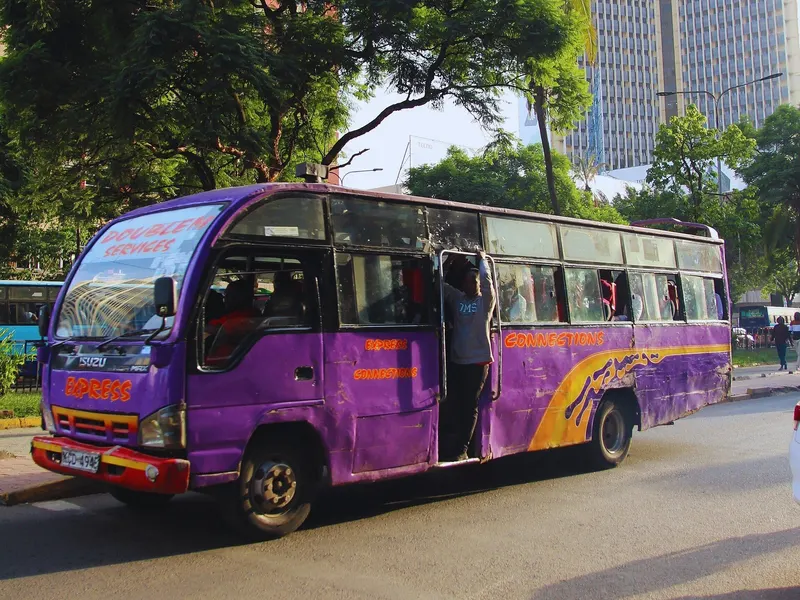
The biggest AFCON 2027 safety decision is how you get around. The safest options, in order: Bolt or Uber, your hotel's own car, then the official airport taxi rank at an agreed fare. In Zanzibar, Uber does not work, so use the official taxis, whose fixed fares are on a board at the airport. Avoid matatus, dala dalas, bajajis and boda-bodas, which have poor safety records in all three countries. We do not recommend private drivers by name: none we checked had a long, clean record of reviews.
Money and phones
Among AFCON 2027 safety risks, phone and bag theft are the everyday ones. Use cash machines inside banks or malls, in daylight. Keep your phone out of sight in traffic and on the street. Mobile money is everywhere: in Kenya, you can register M-Pesa with a Safaricom SIM and your passport. Never share a PIN, and trust the confirmation text message, not a screenshot someone shows you.
Courtesy and the unwritten rules
- Greet before anything. A handshake and "Jambo" or "Habari" before any question. In Tanzania, greet elders with "Shikamoo"; they reply "Marahaba". Skipping the greeting reads as rude.
- Use your right hand to give, receive, eat and pay. The left hand alone is improper.
- Beckon with your palm down. Palm up is for animals.
- Dress modestly away from hotels and beaches, especially on the coast and in Zanzibar, where most people are Muslim.
- Ask before photographing people. Some will ask for a small fee.
- Bargain in markets, patiently and with a smile. The first price to a visitor is rarely the real one.
- Time is relaxed. In Swahili time, hours are counted from dawn, so "saa mbili", two o'clock, means 08:00. Check which clock someone means.
- Tipping: 5–10% in restaurants if service is not included.
Health basics
- Malaria: high risk in Uganda, coastal Tanzania and Zanzibar, and most of Kenya outside Nairobi. Nairobi itself is low risk. See a travel clinic six to eight weeks before you go.
- Yellow fever: Uganda checks certificates on arrival, and Kenya and Tanzania ask for one if you arrive from a risk country. Carry it for every crossing.
- Water: drink bottled or filtered water, and do not swim in lakes or rivers, because of bilharzia.
- Ebola screening is in place at some borders. Allow time at health desks.
What to do if something goes wrong
AFCON 2027 safety plans should include a fallback. Contact your embassy or high commission in Nairobi, Kampala or Dar es Salaam. Keep scans of your passport, visa, insurance and tickets in your email. If you are fined, ask for the official paperwork or control number, and pay at a police station or online, not in cash at the roadside.
What we do not know yet
Rules can change before the tournament, and Uganda's announced visa waiver still needs details. We will update this guide when they come. Our AFCON 2027 hub tracks every date as it is confirmed, and tournament plans move.
For the rest of your trip, see our AFCON 2027 tickets guide and our guide to where to stay.
Quick answers
- Is AFCON 2027 safe for visitors? Most trips are trouble-free. Use apps or hotel cars, avoid motorbike taxis and keep valuables out of sight.
- Can I wear camouflage? No. It is illegal in Uganda and regulated in Kenya and Tanzania.
- What should I wear in Zanzibar? Cover shoulders and knees in town. The fine starts at $700.
- Do I need malaria tablets? Yes for Uganda, the Tanzanian coast and Zanzibar. Nairobi is low risk.